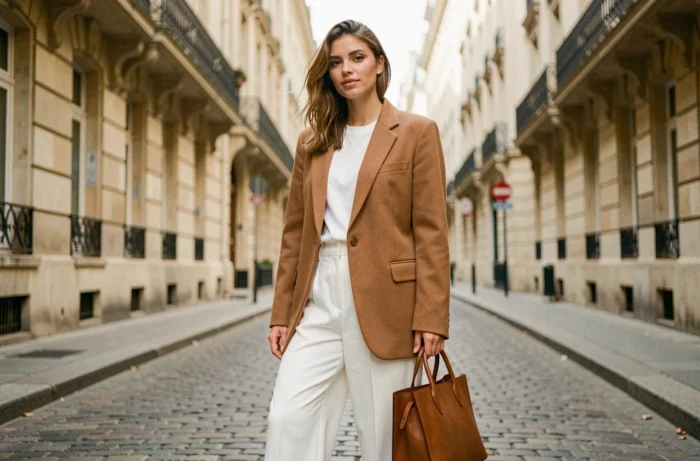
The French clothing market continues its structural decline. Sales remain significantly below pre-Covid levels, with a cumulative decrease of about 6% over the period. This contraction coexists with two opposing dynamics: the rise of ultra-fast fashion and the ongoing growth of second-hand. For ready-to-wear brands, this context imposes clear trade-offs on collections, between sustainable basics and highly fashionable capsules.
Trade-offs in ready-to-wear collections: fewer references, more tension
The reduction in the number of references per season has become a common management lever. Where a mid-range brand used to offer several hundred pieces per drop, we now observe a tightening around permanent lines complemented by short capsules.
This choice is not purely commercial. The extended producer responsibility in textiles accelerates this rationalization, as each piece put on the market falls within the scope of collection and recycling obligations. Producing less, but with a higher turnover rate, becomes the norm to preserve margins.
Data from the Alliance du Commerce confirms the pressure: in summer 2026, in-store sales for clothing brands decline by about 2% compared to 2025, and by more than 3% since the beginning of the year. The online channel continues to grow, but moderately, around +3 to +4% over the summer period. This dynamic pushes brands to concentrate their investments on high-turnover pieces rather than a plethora of offerings.
Specialized platforms like Le Fumoir De La Mode allow tracking these developments over the seasons and identifying the pieces that truly structure a contemporary wardrobe.
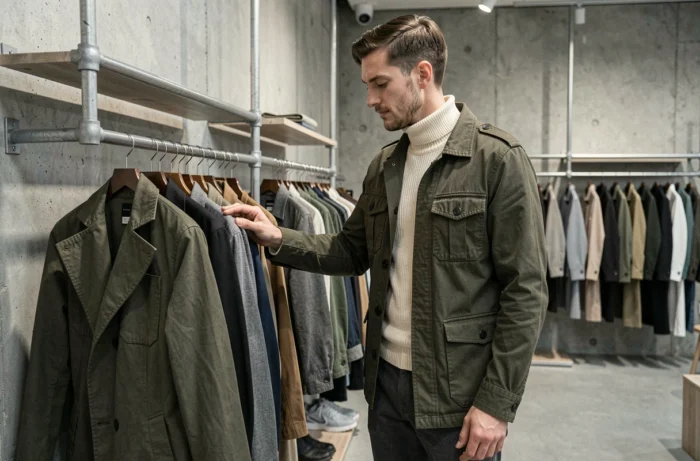
Colors and materials for the autumn-winter season: what the runways translate into ready-to-wear
The color trends for autumn-winter 2026 confirm a return to muted and earthy tones. Deep burgundy, chocolate brown, and anthracite gray dominate the proposals from style offices. These palettes are expressed in dense materials, with a weight heavy enough to provide drape without lining.
Wide and structured jeans remain the key piece in the unisex wardrobe. Their cut evolves towards a more architectural volume, with raw or cut hems. This type of finish, once reserved for the designer segment, is now found in mid-range brands.
Recycled materials and textile traceability
The European regulation on textile circularity pushes brands to integrate an increasing percentage of recycled fibers. Recycled polyester dominates, but we are seeing a rise in regenerated cotton, particularly in basic pieces like t-shirts and sweatshirts.
Traceability is becoming an operational selling point. Brands that document their supply chain via QR codes on the label gain credibility with an informed clientele. It is no longer a differentiator; it is a prerequisite.
Second-hand and ultra-fast fashion: two forces reconfiguring style
The second-hand market is no longer limited to thrift stores. Resale platforms integrated into brand websites (take-back programs, refurbished corners) capture an increasing share of transactions. For consumers, this changes the very notion of trend: a vintage piece from the 2000s coexists with a short from the latest collection in the same look.
Ultra-fast fashion drives prices down and compresses renewal cycles. The weekly micro-collections from some online players create pressure on traditional brands, which cannot compete on speed without sacrificing material quality.
- High perceived value pieces (visible stitching, contrasting finishes, handmade details) become a positioning marker to distinguish from the ultra-fast fashion flow.
- The return of minimalist chic, with clean cuts and neutral colors, reflects fatigue towards the overabundance of newness.
- Looks built around a maximum of three pieces (a pair of jeans, a statement piece, a structuring accessory) are gaining ground in fashion advice content.
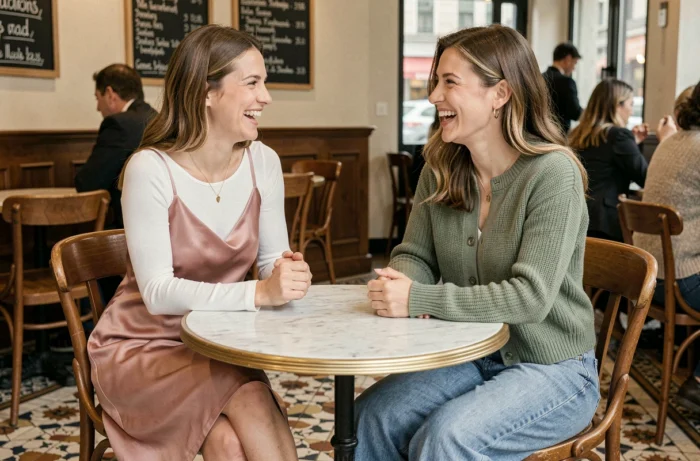
Dress, shorts, and seasonal pieces: adjusting your wardrobe without overconsuming
The flowing long dress and tailored shorts are among the most sought-after pieces for spring-summer. Their common point: versatility that allows them to be worn across multiple seasons with different accessories.
Building a wardrobe around modular pieces reduces the cost per wear and limits impulsive purchases. We recommend prioritizing timeless cuts on basics (straight jeans, unstructured blazers, shirt dresses) and reserving the “trend” budget for accessories or a single statement piece per season.
Fashion advice as an anti-overconsumption filter
Advice and style content play an increasing role in purchasing decisions. An informed shopper buys less but better. Short formats (lookbooks, outfit carousels) that show how to combine existing pieces with a new element generate more engagement than traditional product catalogs.
Contemporary ready-to-wear hinges on the ability to balance sustainability, style, and budget. The brands that survive the market contraction are those that reduce their references, document their materials, and offer pieces whose value is measured by how many times they are worn, not by the price tag.